Our Single-leaf and Double-leaf Fire Doors fully meet these standards, reflecting our commitment to sustainable and healthy production.
 |  |
What Is U.S. CARB NAF Certification?
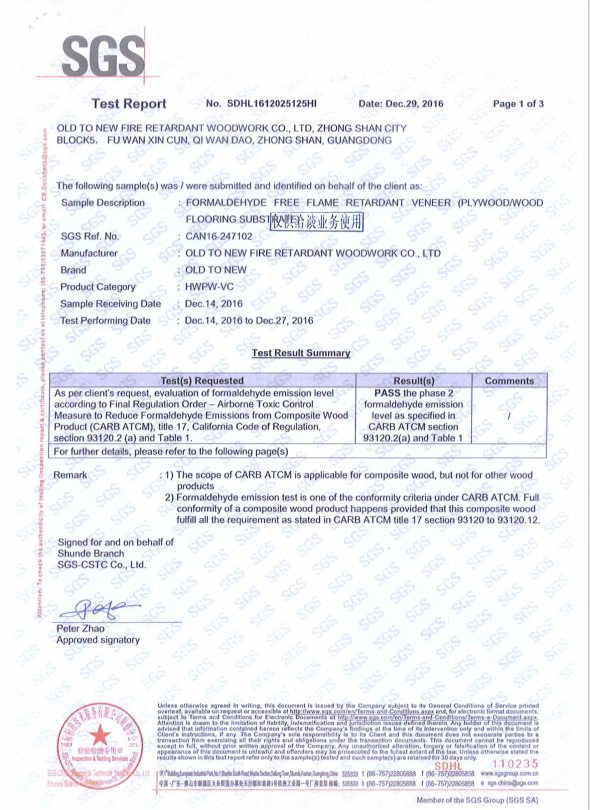
U.S. CARB NAF (No-Added Formaldehyde) Certification is a formaldehyde-emission compliance system under the California Air Resources Board (CARB).
It applies to composite wood materials—such as plywood, particleboard, and MDF—used in fire door cores and frames. Certified materials contain no added formaldehyde and meet strict emission limits, ensuring safer indoor air quality.
Composite wood components without CARB NAF certification cannot be sold or used in the U.S. market.
Core Significance of U.S. CARB NAF Certification
1. Health and Environmental Protection
Certification ensures wood materials release minimal formaldehyde, preventing indoor air pollution and reducing health risks—supporting green building and low-VOC initiatives.
2. U.S. Market Compliance
As a mandatory requirement in California and recognized nationwide, CARB NAF compliance is essential for market entry, ensuring environmental conformity for construction projects.
3. High Environmental Credibility
Recognized as a leading global eco-standard, CARB NAF certification demonstrates a brand’s commitment to sustainability and enhances competitiveness in eco-conscious projects.
Core Content of Certification
Certification Scope:
Applies to composite wood materials used in fire door cores, frames, and decorative panels.
Key Compliance Requirements:
No Added Formaldehyde: Prohibits formaldehyde-based adhesives such as urea-formaldehyde.
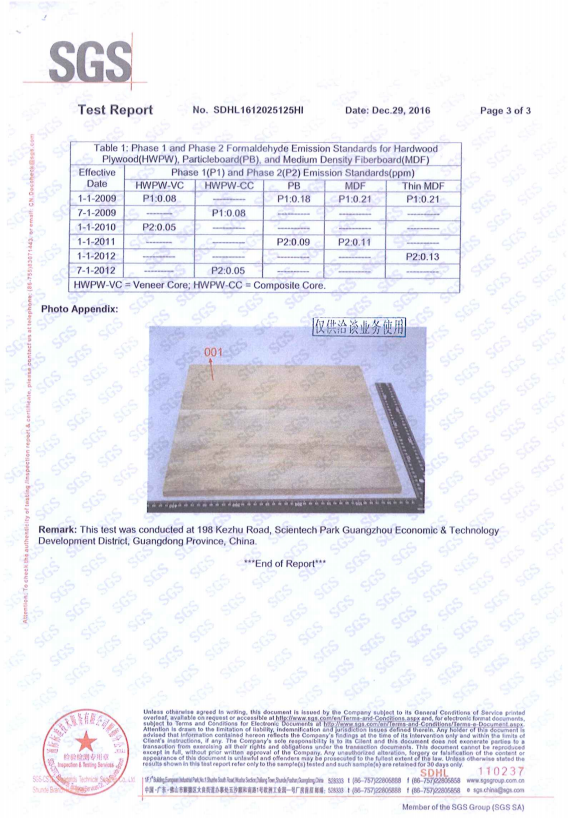
Emission Limit: Must not exceed 0.05 ppm, tested under ASTM D6007 or equivalent standards.
Supply Chain Traceability: Manufacturers must verify that all raw materials and adhesives meet NAF standards.