 |  |
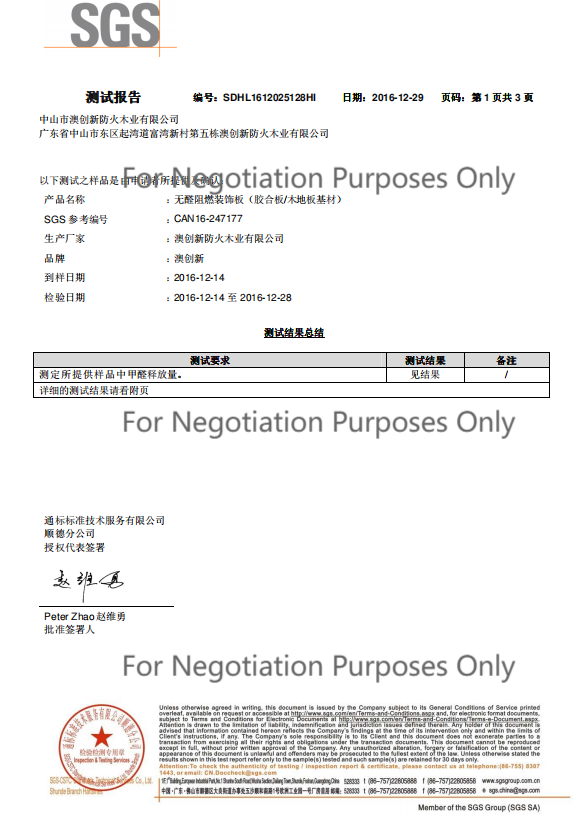
What is Japan JIS F ★★★★?
Japan JIS F ★★★★ is a top-tier fire resistance and safety standard under the Japanese Industrial Standards (JIS) system.
It represents the highest classification level for fire door performance, verifying exceptional fire resistance, structural integrity, and safety reliability.
Fire doors without JIS F ★★★★ certification are restricted from use in safety-critical or high-end construction projects in Japan.
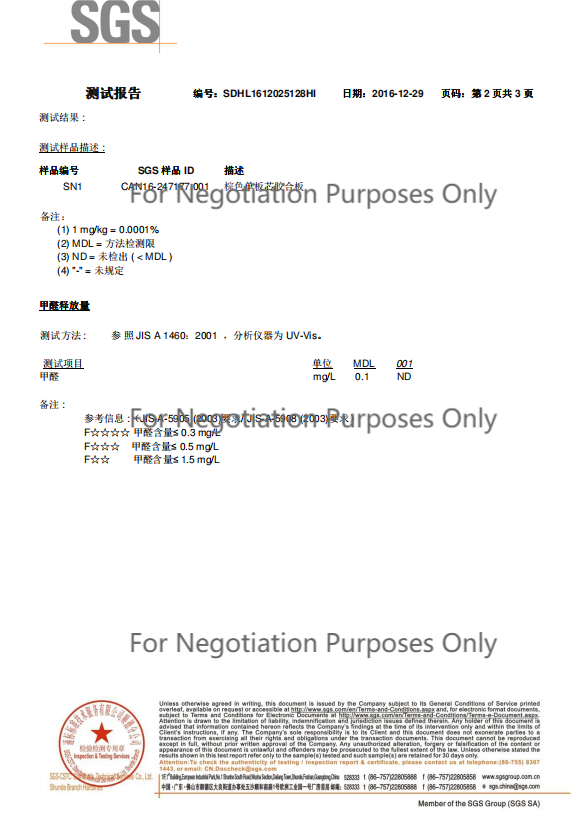
JIS F ★★★★ Certification reflects Japan’s highest safety benchmark, representing excellence in fire performance, structural reliability, and environmental responsibility.
Core Significance of Japan JIS F ★★★★ Certification
1. Superior Fire-Safety Assurance
Certified products can withstand severe fire exposure for extended periods (2–3 hours) while preventing fire spread, maintaining stability, and minimizing toxic gas emissions.
2. Access to Premium Japanese Markets
JIS F ★★★★ compliance is a key requirement for high-end and public projects in Japan, enabling manufacturers to participate in prestigious architectural developments.
3. Global Reputation for Quality
Recognized internationally, JIS F ★★★★ certification demonstrates superior reliability and craftsmanship, enhancing a manufacturer’s global brand image and competitiveness.
Core Content of Certification
Certification Scope: Covers wooden fire doors, steel fire doors, and composite fire doors used in different building applications. All components of the fire door assembly, such as door leaves, frames, hinges, locks, and sealing materials, must meet the JIS F ★★★★ requirements
Key Compliance Requirements:
Fire Resistance Performance: Must maintain fire integrity and insulation for long durations, often exceeding global benchmarks.
Structural Integrity: Doors and frames must remain stable without warping or collapse under high temperature.
Toxic Gas Emission Limits: Strictly limits formaldehyde, benzene, and VOC emissions to protect occupant health.
Hardware Safety: Hinges, locks, and closers must operate reliably under fire conditions.